
Anxiety Therapy in Asheville, NC
Anxiety takes on many forms.
Social anxiety, panic attacks, OCD, existential anxiety, generalized anxiety - no matter what form it takes, anxiety feels pretty awful. You might feel constant tension, or frequently nauseous. Each of these anxiety disorders feels a little different, but they can all hold you back from living life to the fullest. Maybe you are always on edge, waiting for the dam to break and the panic to sweep over you. Or you might just have an underlying feeling all the time that something bad is going to happen, or that life is dreadful for no reason. Your mind might be racing, and you can’t focus on anything without getting distracted by painful thoughts. There are specific fears, too, like what if someone judges me? What if I’m rejected? What if I fail? Anxiety is a shape shifter, but the root of it is always the same.

You CAN Overcome Anxiety - Mike’s Experience and Tips for Recovering from Anxiety Disorders
Symptoms of Anxiety that respond to Counseling
First of all, you should know that everyone’s anxiety looks different. When you come to counseling, we will treat you as an individual and try to understand your unique experience of anxiety. However, there are some general symptoms of anxiety that indicate you might need professional help. Below is a list of anxiety symptoms. If you experience some or all of these, it may be time to come in for therapy.
Feeling out of control due to anxiety
Constant worry
Racing thoughts
Fatigue/Sleep problems/Lack of sleep
Lack of appetite
Panic, fear, and uneasiness
Avoiding places, things, or people
Tense muscles
Headaches
Feeling agitated
Restlessness
Difficulty concentrating
Irritability
These are all symptoms of anxiety that respond really well to the therapy interventions we use. These are annoying symptoms that are holding you back. But they don’t have to. You deserve to be able to fully engage in your own life. Therapy can help you regain control of your life.
There is nothing wrong with you.
It might feel like there is. In fact, your anxiety is telling you there is something wrong with you. Your anxiety can be really extreme and all-consuming, so your mind begins to tell you that something is wrong. Anxiety and panic attacks can be incredibly limiting, frustrating, and even scary. If you are struggling with anxiety, it means that the natural defense mechanism of your brain is working overtime. Therapy provides the supportive environment you need, along with concrete tools to help manage anxiety and break the patterns that have gotten your brain worked up. You can get back control and manage your anxiety. Counseling can help.

““Working with Mike I’ve gone from having a panic attack every time I leave the house to confidently taking the subway alone. It’s phenomenal to have my freedom back. Mike is patient, empathetic, and knowledgeable.””
You can find freedom from anxiety through counseling.
The good news is that anxiety is extremely well understood nowadays. We can pinpoint why and how people suffer so much from it, and there are several proven methods for recovering from even the most severe anxiety disorders. The simple truth is that counseling works as an anxiety treatment. People who come to our Asheville, NC counseling office for anxiety get better. We’ve seen other people find freedom from anxiety and begin to experience life fully again. We want you to find that same freedom.
Our team of anxiety therapists is well-trained in evidence-based therapies for anxiety. More importantly, Mike (the founder of Strive On Counseling) has been through anxiety disorders himself. We understand anxiety from the inside out. “I know what has worked for me, and I have watched the same things work for my clients. It really can get better.” -Mike
Learn practical tools for overcoming anxiety.
There are two parallel paths that anxiety therapists should be walking you through. The first is support and exploration. When coming in for anxiety treatment, you want a therapist who is a confidant. Someone you know will always be caring and supportive, no matter what you want to reveal or what ideas you want to explore. You should be comfortable sharing your thoughts, beliefs, and anxious feelings with your therapist.
The second path that your therapist will be balancing is that of practical problem-solving. In anxiety treatment, you and your therapist work together to answer the question, “What can you actually do to change your situation and make progress on the issues that brought you into therapy?” A lot of therapists are good at the first path, but forget to focus on the second one. And you need this second path. You are looking to balance both the acceptance of the first path and the real change of the second.
You’ll learn new tools in our counseling sessions
We try to make sure clients are getting both that supportive understanding AND the practical tools when they come into our counseling office for anxiety treatment. We’re happy to spend as much time as you need listening and supporting, but then, when you’re ready, we need to roll up our sleeves and get down to business. We can teach you techniques and tools for learning to cope with anxiety and reduce the suffering it causes. We will incorporate mindfulness, Cognitive Behavioral Therapy (CBT), and Acceptance and Commitment Therapy (ACT) into our sessions so that you have specific tools to use to manage your anxiety. These tools come not just from professional training, but from personal experience recovering from an anxiety disorder. We have tried all of these ourselves and can vouch for their efficacy. If you really want to get through your anxiety, learning new coping strategies is your best bet.
Ready to Take Your Life Back? Begin Anxiety Treatment in Asheville, NC
You don't have to struggle alone with panic attacks, constant nausea, fear, or the many other forms and symptoms of anxiety. With the right support and practical tools, overcoming anxiety is possible — and you deserve to experience that freedom. At Strive On Counseling, we offer anxiety therapy in Asheville, NC at our counseling office or online via teletherapy, so you can get the help you need in whatever way works best for you. If you'd like to learn more, we offer a free phone consultation to help you take that first step. Get started in three simple steps:
Contact Strive On Counseling to set up an appointment
Meet with a caring anxiety therapist in Asheville, NC
Start living the full, free life you deserve!
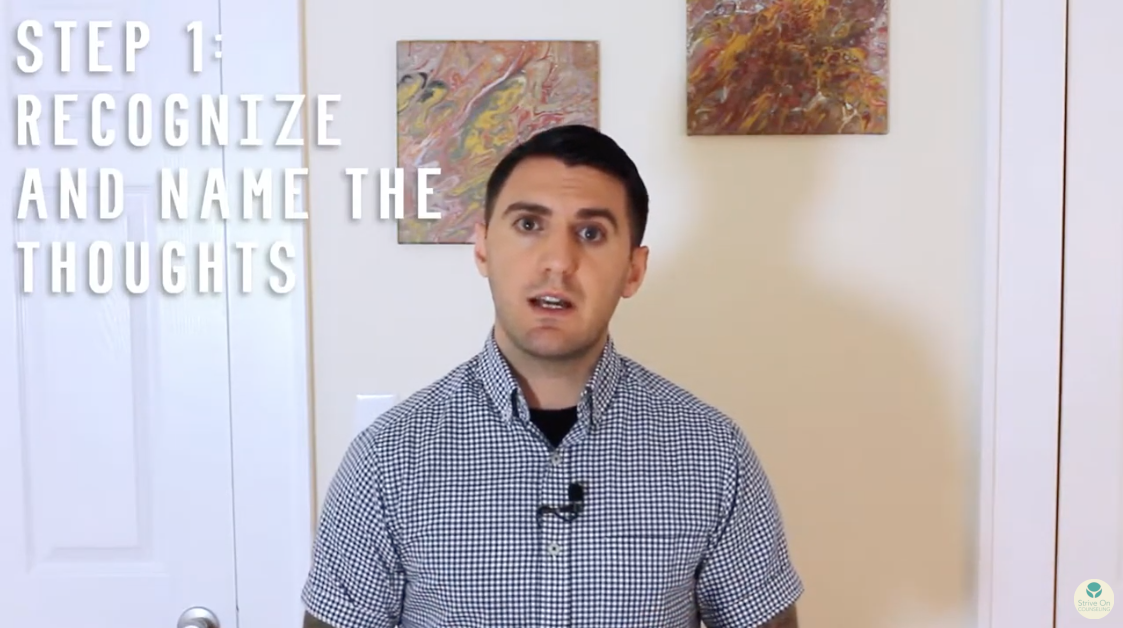
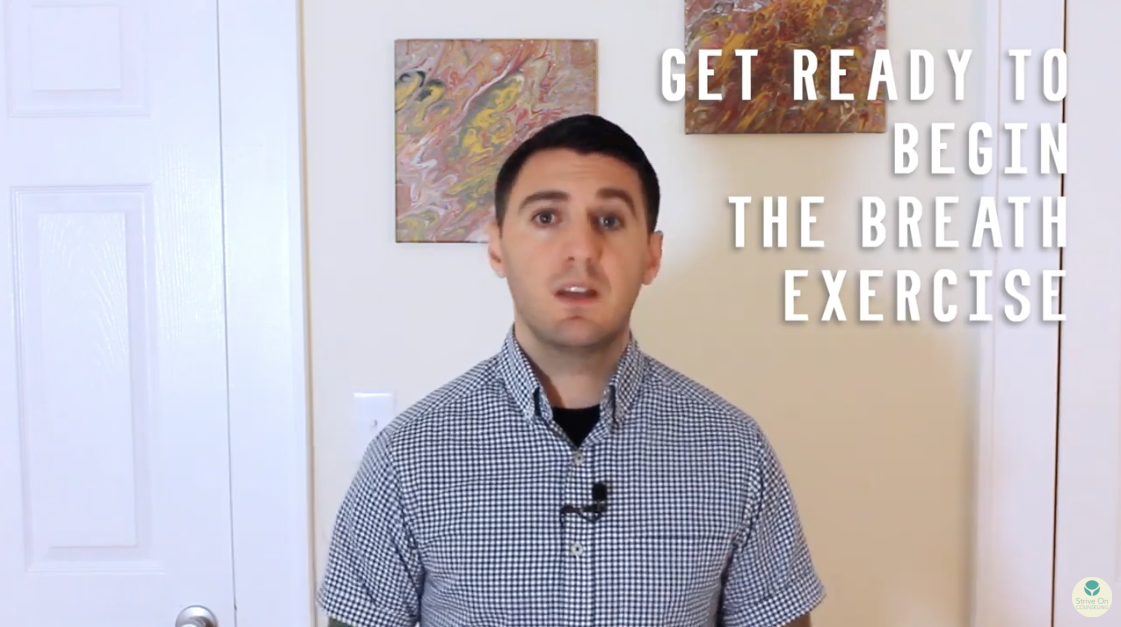
Anxiety Quick Tips
Frequently Asked Questions Related to Anxiety Therapy
-
Acceptance and Commitment Therapy (ACT) approaches the treatment of anxiety by teaching you to change your relationship with anxious thoughts rather than fighting with them. Instead of treating anxiety as something to be defeated, ACT helps you observe thoughts and feelings with distance and flexibility, reducing their grip on your actions. Over time, this approach frees you to take meaningful action in your life even when anxiety is present and in the long-term lowers anxiety.
-
Yes, online therapy can absolutely help with anxiety whether you live in Asheville or anywhere else in North Carolina. Research consistently shows that online therapy is just as effective as in-person therapy for anxiety disorders, and many clients find the convenience actually reduces barriers to showing up consistently. Our therapists offer secure telehealth sessions to anyone located in NC, making quality care accessible regardless of where you live.
-
You may need anxiety therapy in Asheville if your worry, fear, or nervousness has started interfering with your daily life, relationships, or ability to enjoy things that matter to you. Many people wait until anxiety feels unbearable before seeking help, but therapy is often most effective when you start before things reach a crisis point. If anxiety is shaping your decisions — what you avoid, where you won't go, what you can't stop thinking about — that's a meaningful signal worth taking seriously. Reach out to us for your free consultation today!
-
Anxiety therapy in Asheville can be an excellent fit if you're always overthinking, as chronic overthinking is one of the most common ways anxiety shows up in daily life. Therapies like CBT and ACT directly address the thought patterns that fuel overthinking, helping you recognize when your mind is spinning and they give you practical tools to redirect. Many of our clients come in feeling like their brain never stops, and leave with tools to address it.
-
The best type of therapy for anxiety in Asheville depends on your specific symptoms, history, and goals, though research most strongly supports Cognitive Behavioral Therapy (CBT) and Acceptance and Commitment Therapy (ACT) for most anxiety disorders. At Strive On Counseling, our therapists are trained in evidence-based approaches and will work collaboratively with you to find the right fit for your particular presentation. There is no single best method for everyone, which is why a thorough assessment at the start of therapy helps us tailor the approach to you specifically.
-
Anxiety therapy in Asheville can help with panic attacks by addressing both the physical experience of panic and the patterns of thinking and avoidance that make attacks more frequent and frightening over time. We use evidence-based techniques which directly reduce the intensity and frequency of panic. Most people who engage consistently with therapy for panic disorder experience significant relief and regain confidence in their ability to handle situations they had previously been avoiding.
-
Yes, therapy can absolutely help when your anxiety feels connected to trauma, and in fact addressing the underlying trauma is often essential for lasting relief. Many people experience anxiety as a surface symptom of unprocessed traumatic experiences, and treating only the anxiety without the trauma often produces limited results. At Strive On Counseling, our therapists are trained in trauma-informed approaches that help you process difficult experiences at a pace that feels safe and manageable.
-
Trauma-informed therapy for chronic anxiety is a carefully paced process that prioritizes your sense of safety before moving into deeper therapeutic work. In practice this means your therapist will first help you build stabilization skills — ways to regulate your nervous system and tolerate distress — before working directly with traumatic memories or experiences. The goal is not to re-traumatize but to gradually help your nervous system learn that past threats are no longer present, which naturally reduces chronic anxiety responses over time.
-
Anxiety and ADHD both make it hard to focus, but they do so through different mechanisms that can look similar on the surface. ADHD disrupts focus through difficulties with attention and executive function, while anxiety hijacks focus by flooding the mind with worry, threat monitoring, and what-if thinking. When both are present — which is common — they can compound each other significantly, which is why accurate assessment and a treatment approach that addresses both is so important.
-
Anxiety and OCD are not the same, though they are closely connected and frequently misunderstood as interchangeable. OCD is characterized by intrusive, unwanted thoughts (obsessions) and repetitive behaviors or mental rituals (compulsions) performed to reduce distress, while anxiety disorders involve more generalized fear and worry without that specific obsession-compulsion cycle. This distinction matters because it impacts how we approach therapy, but both Anxiety and OCD can be treated with the techniques we are trained to use.
Other Mental Health Services Available at Strive On Counseling
As Asheville therapists, we understand that every individual has a unique set of mental health needs. Therefore, we offer many services and forms of therapy. More specifically, our services include individual counseling, anxiety treatment, EMDR trauma therapy, therapy for men’s issues, mindfulness, buddhist counseling, cognitive behavioral therapy, teletherapy / online therapy. Some other resources we offer include guided meditations, supplements, a list of books and other useful resources, and online courses. If you would like more information about any of these services, please reach out today, and start doing therapy in North Carolina!