
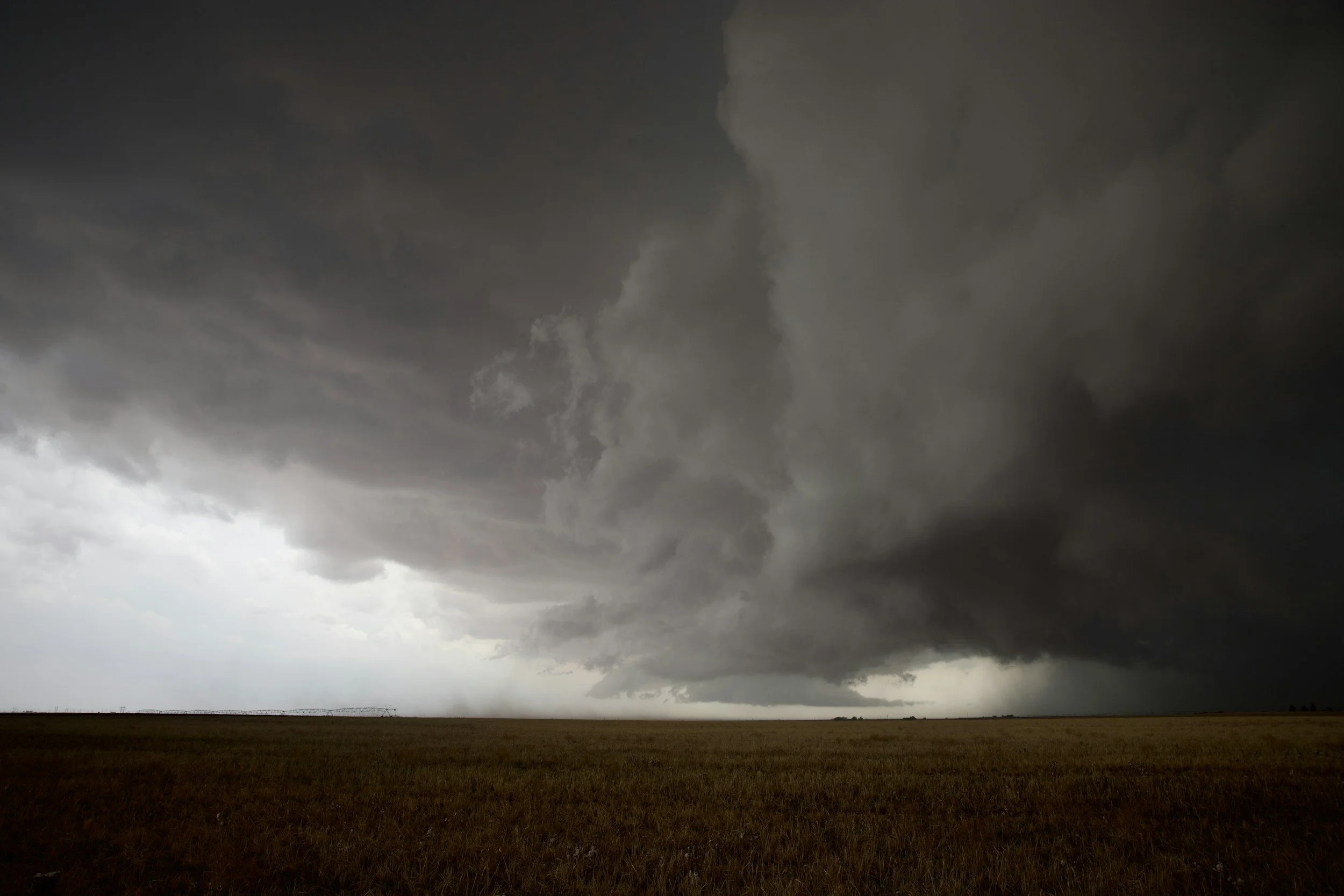
As the anniversary of a major disaster approaches, many people notice something unexpected: their anxiety increases. Even if life has returned to a sense of normalcy, certain dates, weather patterns, news reports, or changes in the season can bring back memories of what happened. You may find yourself checking the weather more often, feeling on edge during heavy rain, or noticing that your body feels tense without immediately understanding why. This is a common experience, and understanding why it happens is often the first step; something ACT therapy for anxiety in Asheville, NC can help you work through.
For many people in Western North Carolina and surrounding communities, the anniversary of Hurricane Helene in 2024 may bring up difficult emotions. Whether you experienced property damage, evacuation, financial loss, disruption to your daily life, or simply lived through weeks of uncertainty, it's common for your mind and body to remember stressful events long after they have ended. Experiencing anxiety around the anniversary of a traumatic event doesn't necessarily mean something is wrong. It often reflects the way our brains learn from significant experiences.
Why Anniversary Reactions Happen

Our brains are designed to recognize patterns and remember events that felt threatening.
After a highly stressful experience, reminders of that event can activate the same alarm system that helped you respond during the crisis. Those reminders aren't always obvious. They might include:
The time of year
Hurricane season
Heavy rain or strong winds
Emergency alerts
News about tropical storms
Conversations about weather preparedness
Your brain isn't necessarily confusing the present with the past. It's recognizing familiar cues and preparing you for the possibility of danger. While that response can be protective, it can also lead to anxiety when the current situation isn’t quite like the one you experienced before.
Anniversary reactions can look different from person to person. You might notice:
Increased anxiety or worry
Difficulty sleeping
Feeling more emotionally reactive
Checking weather forecasts repeatedly
Trouble concentrating
Irritability
Feeling "on edge" without knowing why
Avoiding conversations about storms or weather
Some people also experience physical symptoms, such as muscle tension, headaches, or a racing heart when severe weather is mentioned. These reactions can occur even if you don't consciously think about the anniversary.
Anxiety: The Fortuneteller
One of anxiety's favorite habits is trying to predict what comes next. You may notice thoughts like:
"What if this hurricane season is worse?"
"I won't be able to handle another storm."
"We should prepare for every possible scenario."
"What if we lose everything again?"
These thoughts are understandable, especially if you've lived through a disaster. The challenge is that anxiety often treats possibility as probability. Because something happened once, your mind may begin acting as though it's likely to happen again. Acceptance and Commitment Therapy (ACT) offers a different way of responding to these thoughts.
ACT for Anxiety Tips for When You Can’t to Stop Thinking About the Storm

After a traumatic event, it's natural to want reassurance. Many people spend hours checking weather models, reading forecasts, or trying to convince themselves that everything will be fine. While staying informed is important, repeatedly seeking certainty often feeds anxiety instead of reducing it. ACT doesn't ask you to suppress your thoughts or convince yourself that bad things could never happen. Instead, it encourages you to notice what your mind is doing.
For example, compare these statements:
"Another hurricane is going to devastate us." vs "I'm noticing that my mind is predicting another devastating hurricane."
"I can't handle another storm." vs "I'm having the thought that I can't handle another storm."
This practice, called cognitive defusion, creates space between you and your thoughts. The thought may still be present, but it becomes something you notice rather than something that automatically controls your behavior.
Make Room for Anxiety Instead of Fighting It
When anxiety shows up, it's natural to want it to disappear. Unfortunately, struggling against anxiety often gives it more attention and influence.
Instead of asking, "How do I stop feeling anxious?"
You might ask: "Can I allow this feeling to be here while choosing how I want to respond?"
Acceptance doesn't mean you enjoy anxiety or approve of what happened. It means recognizing that difficult emotions are already present instead of spending all your energy trying to force them away. One important distinction is the difference between preparedness and anxiety-driven behavior. Preparedness might include:
Reviewing your emergency plan
Restocking emergency supplies
Knowing evacuation routes
Staying informed through reliable weather updates
Anxiety-driven behavior often looks different:
Refreshing weather apps dozens of times a day
Constantly searching for reassurance online
Avoiding normal activities because of unlikely scenarios
Feeling unable to focus on anything except potential disasters
Preparedness is usually intentional and time-limited. Anxiety often feels repetitive and never fully satisfied.
Return to What Matters Today
One of the central ideas in ACT is that we don't have to eliminate anxiety before living meaningful lives. When you notice yourself getting pulled into "what if" thinking, it can help to ask:
What is happening right now?
What facts do I know today?
What assumptions is my mind making?
What action would reflect my values in this moment?
If you value family, perhaps that means spending time together rather than spending the evening scrolling through weather speculation. If you value health, it might mean going for your planned walk instead of staying inside because your anxiety insists something bad could happen. Values provide direction even when anxiety is present.
If This Anniversary Feels Different Than You Expected
Some people are surprised that they feel emotional months or even years after a disaster. Others expect to feel overwhelmed and instead notice very little. Neither response is right or wrong. There isn't a timeline for how people process stressful events. The important question isn't whether anxiety shows up. The question is how you respond when it does.

When to Seek Additional Support
If anxiety related to Hurricane Helene, severe weather, or other traumatic experiences is interfering with your sleep, work, relationships, or daily functioning, talking with a mental health professional can help. Working with an anxiety therapist in Asheville, NC can offer additional support as you navigate these reactions. Acceptance and Commitment Therapy has been shown to help people respond more flexibly to anxiety, trauma-related thoughts, and uncertainty. Rather than trying to erase difficult memories, ACT therapy for anxiety helps people build the skills to carry those experiences while continuing to move toward the life they want to live.
ACT Therapy for Anxiety in Asheville, NC Can Help
If the anniversary of Hurricane Helene, severe weather, or hurricane season has brought up anxiety you weren't expecting, you don't have to navigate it alone. ACT-based anxiety therapy at Strive On Counseling can help you respond differently to difficult thoughts, memories, and uncertainty—without getting stuck trying to make them disappear.
Our anxiety therapists in Asheville, NC help clients develop practical skills to manage weather-related anxiety, trauma reminders, and other life stressors while continuing to move toward what matters most. Reach out today for a free 15-minute consultation and learn how therapy can help you feel more grounded, not just during hurricane season, but throughout the year.
Contact Strive On Counseling to set up an appointment
Meet with a caring anxiety therapist in Asheville, NC
Start living the life anxiety has been keeping you from!
Additional Services Offered at Strive On Counseling in Asheville, NC
ACT-based anxiety therapy is just one of the many ways Strive On Counseling supports your mental health journey. Our Asheville therapists take a whole-person approach, offering a wide range of therapeutic options tailored to your unique needs. Whether you're looking for individual counseling, ADHD therapy, EMDR trauma therapy, therapy for men's issues, mindfulness, Buddhist counseling, cognitive behavioral therapy, or teletherapy and online therapy, we have options that can meet you where you are. We also offer additional resources, including guided meditations, a list of books and helpful tools, and online courses to support your growth between sessions. Reach out today to learn more and take your first step toward therapy in North Carolina.